


Nestled in the historic heart of Durham, on a dramatic peninsula cradled by the River Wear, lies a landmark of profound cultural significance. Flanked by the monumental Durham Cathedral and the formidable Durham Castle, the Palace Green Library occupies a central position within one of the UK’s most cherished UNESCO World Heritage Sites.
Many visitors arrive wondering if it is part of the Cathedral or another university college. The name itself suggests a single building, but this belies the rich, layered history of the site. It is a dynamic complex, a vibrant public museum, and the custodian of Durham University’s world-class special collections and archives.
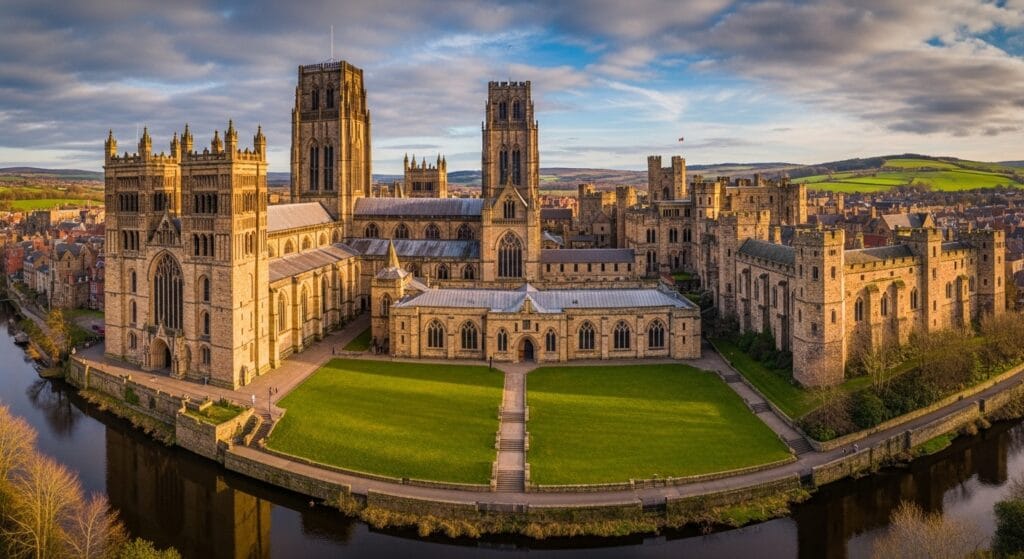
This guide is your definitive resource for deconstructing the complexities of Palace Green Library. We’ll navigate the practicalities of a visit, explore the site’s remarkable history, delve into the priceless collections, and highlight the current events that bring its stories to life.
Planning Your Visit: A Practical Guide
A trip to Palace Green Library is essential for experiencing the Durham World Heritage Site. To ensure a smooth visit, understanding the practical details of opening times, transport, and accessibility is key. If you’re planning a longer stay to explore the area, be sure to check out the top hotels to stay in Durham.
| Feature | Details |
| Location | Palace Green, Durham UNESCO World Heritage Site, Durham, DH1 3RN |
| Managed By | Durham University |
| Primary Function | Housing Durham University’s Archives & Special Collections |
| Key Attractions | Cosin’s Library, Museum of Archaeology, DLI Collection Gallery |
| Public Access | Galleries are free; research collections require an appointment. |
| Main University Library | The main student library is the separate Bill Bryson Library. |
Opening Times, Tickets, and Tours
The public galleries at Palace Green Library, including the Museum of Archaeology, are generally free to enter and open to all.
Typical opening hours are Monday to Sunday, 10 am to 5 pm. It’s important to note that hours can change, especially around public holidays. We strongly advise checking the official Durham University “What’s On” page for the most current information as of July 2025.
While general admission is free, some major temporary exhibitions may require pre-booking a timeslot or have an entry fee. The historic Cosin’s Library, a highlight of the complex, also recommends pre-booking to guarantee entry due to its delicate nature.
How to Get Here: Location, Parking & Transport
Palace Green Library is prominently located on Palace Green, directly between Durham Cathedral and Durham Castle. Its full address is Palace Green Library, Palace Green, Durham, DH1 3RN.
There is no public visitor parking on Palace Green itself, and the area is part of the Durham Road User Charge zone (Mon-Sat, 10 am – 4 pm). The most convenient option is the Prince Bishops Shopping Centre car park (postcode: DH1 3UL), a 5-10 minute walk away.
For public transport, the Cathedral Bus service is an excellent choice. It connects to Durham Railway Station and the Market Place, making it highly convenient. If you need a ride from the station or anywhere else in the city, our smart taxi booking service in Durham ensures you arrive on time and in comfort.
Accessibility
Durham University has made significant efforts to adapt the historic buildings for accessibility.
- A platform lift is available from the main entrance to the reception area.
- There is wheelchair access to ground floor galleries, the gift shop, and accessible toilets.
- A second platform lift provides access to the first-floor Wolfson and DLI Collection galleries.
- A portable hearing loop is available for visitors who require it.
Important Note: Due to its 17th-century structure, Cosin’s Library is not wheelchair accessible. Access involves several staircases. Furthermore, to protect the historic flooring, visitors wearing high-heeled shoes are not permitted.
Facilities: Café and Gift Shop
To complete your experience, the complex includes a Courtyard Café for drinks and light snacks. There is also a gift shop near reception, offering a curated selection of books and items related to the collections and exhibitions.
More Than a Library: The Historic Buildings of the Palace Green Complex
The name “Palace Green Library” is a convenient shorthand for a collection of interconnected buildings constructed over 500 years. Each structure tells a part of the story of Durham, from the power of the Prince-Bishops to the birth of a leading university.
The Exchequer Building (1457): A Glimpse of Medieval Power
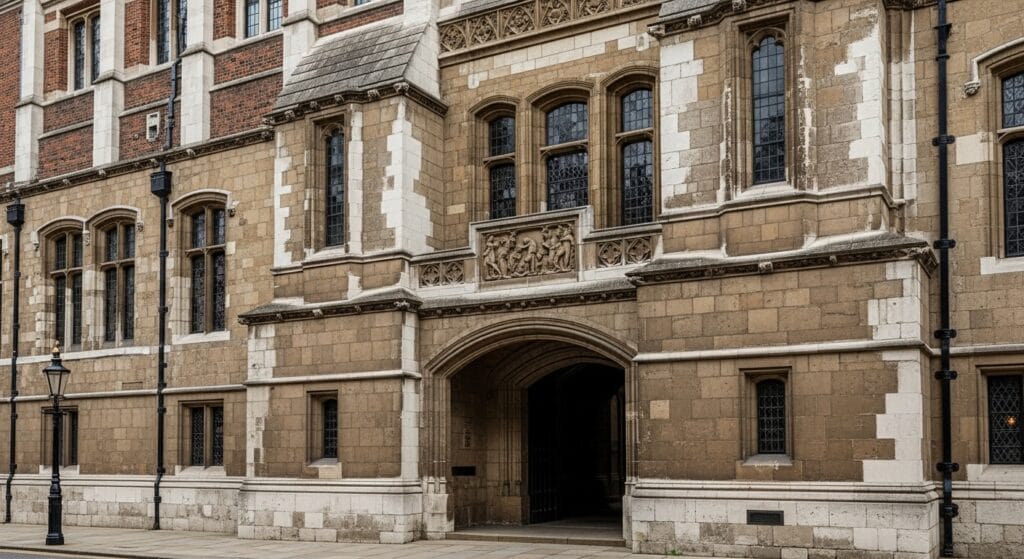
The oldest part of the complex is the Exchequer Building, dating to the mid-15th century. It is the sole surviving administrative building of Durham’s powerful Prince-Bishops, who wielded immense secular and religious authority.
This building was their treasury and law court, the centre of financial and legal affairs for the entire bishopric. Today, this Grade II listed building houses some of the university’s most precious antique book collections.
Cosin’s Library (1669): A Revolutionary Public Library
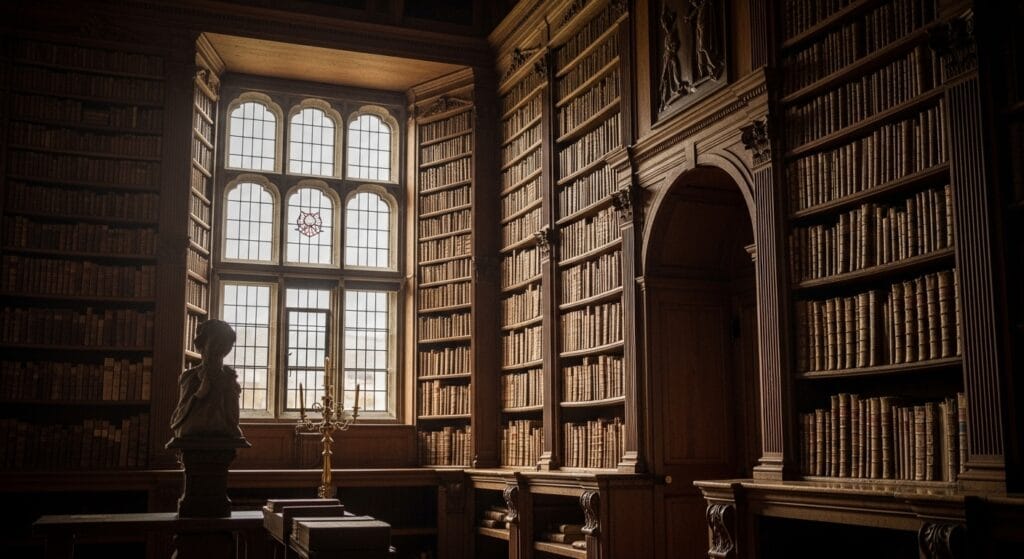
Adjacent to the Exchequer is the building that gives the complex its intellectual heart: Cosin’s Library. Founded in 1669 by Bishop John Cosin, it stands as one of the very first public libraries in the North East of England.
Inspired by the great libraries of Europe, Cosin created an architecturally innovative space. He placed bookshelves against the walls, creating an open room for study, a departure from the traditional collegiate style. This building, born from a vision of public access to knowledge, remains the historic core of the library’s identity.
The University Library (1858 & 1882) and George Pace Building (1968)
With the founding of Durham University in 1832, the need for a dedicated academic library grew. A purpose-built library was constructed in 1858, followed by a Tudor-style building in 1882.
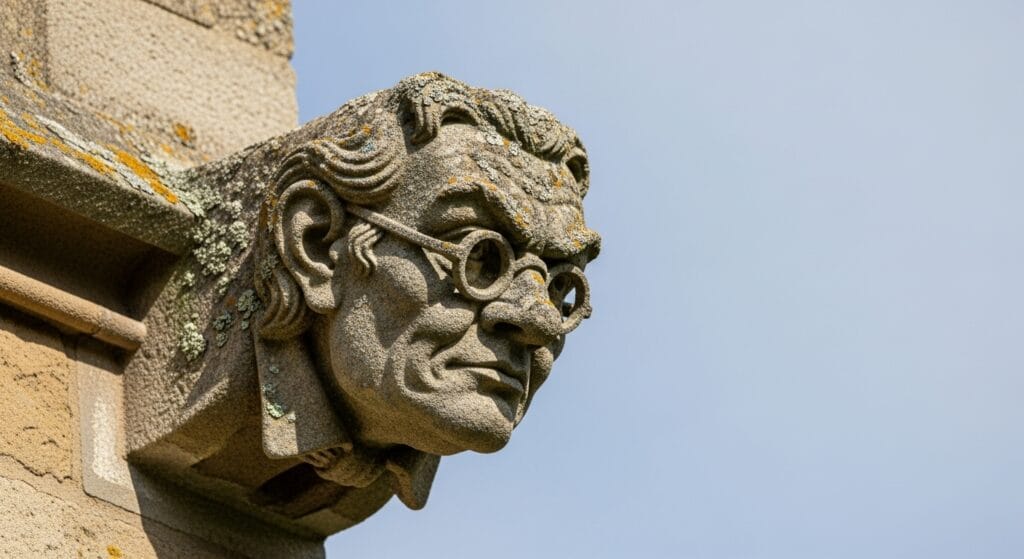
A quirky feature of the 1858 building are the gargoyles, carved by stonemasons with the faces of senior university staff of the period. The final addition was the modern George Pace Building in 1968, completing the architectural ensemble we see today.
Inside the Vaults: Exploring the World-Class Collections
The true treasure of Palace Green Library lies within its strongrooms. It serves as the home for Durham University’s Archives and Special Collections, a vast repository of rare books, manuscripts, and photographs. Many of these collections are designated by Arts Council England as being of national and international significance.
The Crown Jewel: Bishop Cosin’s Library and the Shakespeare First Folio
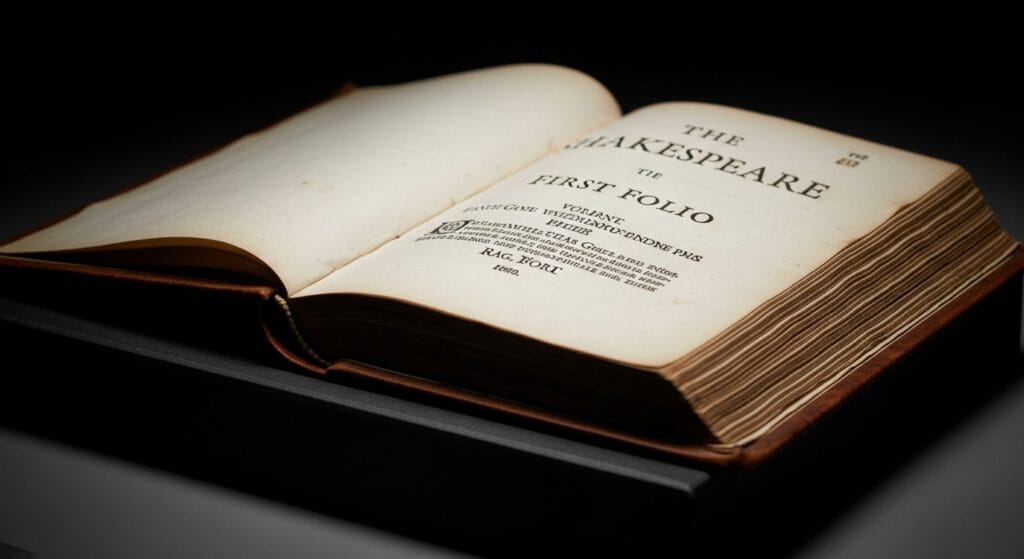
The collection within the historic 1669 building is of outstanding importance. Its most famous item is the Durham Shakespeare First Folio, the first collected edition of Shakespeare’s plays published in 1623.
This copy is remarkable for having the longest continuous ownership of any known. It is believed Bishop Cosin bought it new, and it has remained with his library for nearly 400 years. The book was famously stolen in 1998 and recovered a decade later, adding a dramatic chapter of loss and recovery to its long history.
An Archive of Empire: The Sudan Archive
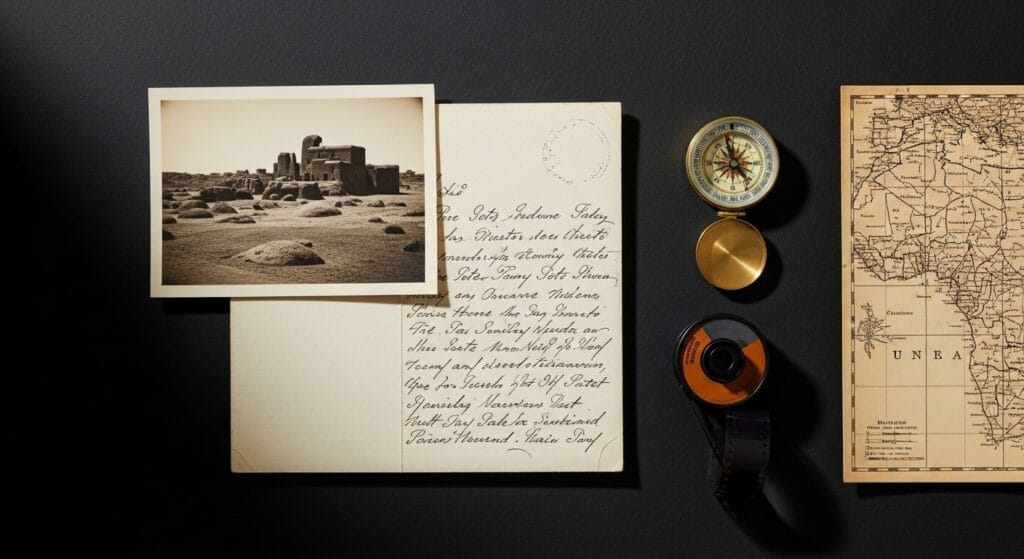
Of equal international importance is the Sudan Archive, one of the world’s most significant collections for the study of Sudan and South Sudan. Founded in 1957, its purpose was to preserve the records of the Anglo-Egyptian Condominium period (1898-1955).
The archive is exceptionally diverse and goes far beyond official reports. It includes:
- Personal correspondence and intimate diaries.
- Thousands of photographic images and cinefilms.
- Trek notes, maps, and museum objects.
This rich collection offers an unparalleled resource for understanding the political, social, and cultural history of the period.
Other Major Collections: Routh, Bamburgh, and More
Beyond these two titans, the library’s holdings are vast. Other cornerstone collections include the Routh Library, focusing on church history, and the Bamburgh Library, transferred from Bamburgh Castle and strong in 18th-century science and classics.
The library also holds the papers of the Earls Grey of Howick, one of England’s great political archives, and the literary papers of figures like the poet Basil Bunting.
What to See Today: Galleries, Exhibitions, and Events
Palace Green Library is a lively cultural venue that actively shares its treasures with the public through permanent galleries and changing exhibitions, many of which feature in our guide to upcoming events in Durham this month.
Permanent Galleries: Archaeology and Military History
Two permanent galleries offer a continuous opportunity to engage with Durham’s heritage:
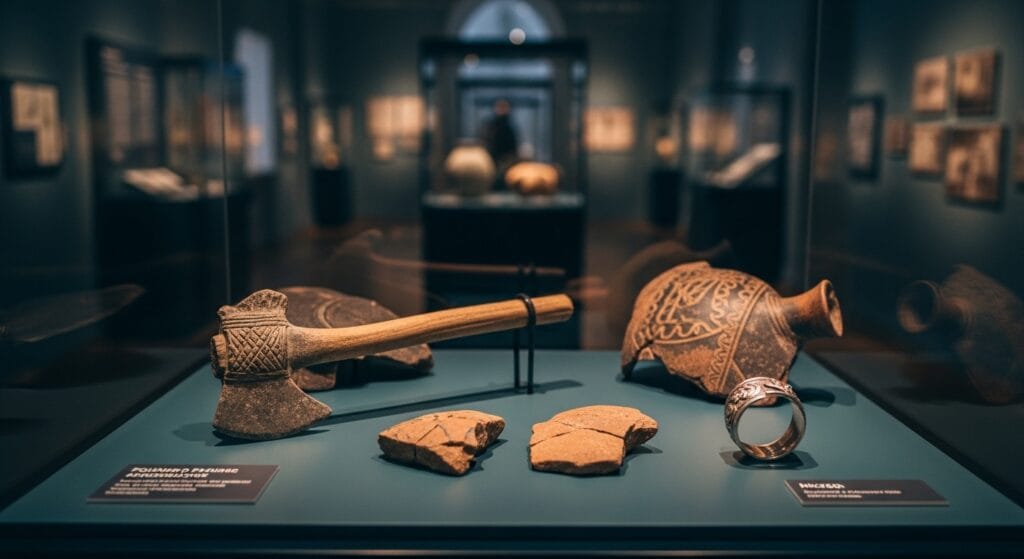
- The Museum of Archaeology: This museum charts 10,000 years of history in Durham and the North East, from prehistory to the modern day. Many objects were excavated by Durham University’s own world-renowned Department of Archaeology.
- The DLI Collection Gallery: This gallery introduces the distinguished history of the Durham Light Infantry (DLI), the county’s historic army regiment.
A Changing Programme: Temporary and Online Exhibitions
The library’s main exhibition spaces have hosted some of the nation’s greatest treasures, including the Lindisfarne Gospels and Magna Carta.
A vibrant, rotating schedule of temporary exhibitions is always on offer, forming a key part of Durham’s most loved events. To see what is currently on display, visitors should consult the “What’s On” section of the Durham University website. The library has also developed a growing number of online exhibitions for virtual exploration.
The Ground Beneath: Unearthing the Story of the Scottish Prisoners
One of the most poignant stories connected to Palace Green Library was unearthed by accident. During refurbishment in 2013, a mass grave containing the remains of 28 individuals was discovered.
Major research connected these remains to a brutal episode of the English Civil Wars. After the Battle of Dunbar in 1650, thousands of captured Scottish soldiers were imprisoned in Durham Castle and Cathedral. An estimated 1,700 died from disease and starvation and were buried in unmarked graves. The skeletons found under the library were scientifically confirmed to be those of the Scottish soldiers, adding a profound and somber layer to the site’s history.
A Hub for Scholars: A Guide for Researchers
Beyond its public role, Palace Green Library is a vital working institution. The Barker Research Library, located within the complex, is the dedicated hub for academic activity. For academics or business visitors requiring professional transport, our executive transport solutions in Durham offer a premium travel experience.
Accessing the Archives and Special Collections
Access to the rare books and archives is by appointment only to ensure their preservation.
- Researchers must book their visit in advance.
- A minimum of three days’ notice is required for staff to retrieve materials.
- Appointments should be made using the official online enquiry form on the Durham University Library website.
Using the Barker Research Library Search Room
Once an appointment is confirmed, researchers use the Search Room, a modern space for silent study. Strict rules are in place: all material is for reference only, and no food or drink is permitted. For those unable to visit, the library offers reprographics services and virtual assistance.
Frequently Asked Questions
Is Palace Green Library part of Durham Cathedral?
No, while it is located next to the Cathedral, Palace Green Library is owned and managed by Durham University.
Can anyone go into Palace Green Library?
Yes, the public galleries and exhibitions are open to everyone. Access to the research archives requires a pre-booked appointment.
Is it free to enter?
Yes, general admission to the permanent galleries and most exhibitions is free of charge. Some major exhibitions may have an admission fee.
What is the most famous item in the library?
One of the most famous treasures is the Shakespeare First Folio (1623), unique for being in the same collection since it was purchased new by the library’s founder.
Is there parking at Palace Green Library?
No, there is no public parking on Palace Green. The nearest public car park is the Prince Bishops Shopping Centre (postcode DH1 3UL).
What is the difference between Palace Green Library and the Bill Bryson Library?
Palace Green Library houses the university’s historic Archives and Special Collections. The Bill Bryson Library is the main, modern library for current students and faculty.
Conclusion
Palace Green Library is a landmark that defies simple categorization. It is an architectural gem, a world-class research institution, and a vibrant cultural venue at the heart of the Durham World Heritage Site.
For the visitor, it offers a journey through time. For the researcher, it provides access to unique and internationally significant collections. By understanding its distinct parts, one can fully appreciate the profound value of this remarkable institution.
